
Leica Society International Announces the 2026 Photo Grant Recipient: Louis Lemaire-Sicre
Leica Society International is pleased to announce Louis Lemaire-Sicre as the recipient of the 2026 LSI Photography Grant in the amount of $7500 and a Leica M11 with a lens (courtesy of Leica North America).
The 2026 LSI Photography Grant runner-up is Takeshi Yamamoto
The work of both photographers will be featured at the LSI Spring Shoot in Paris in June 2027.
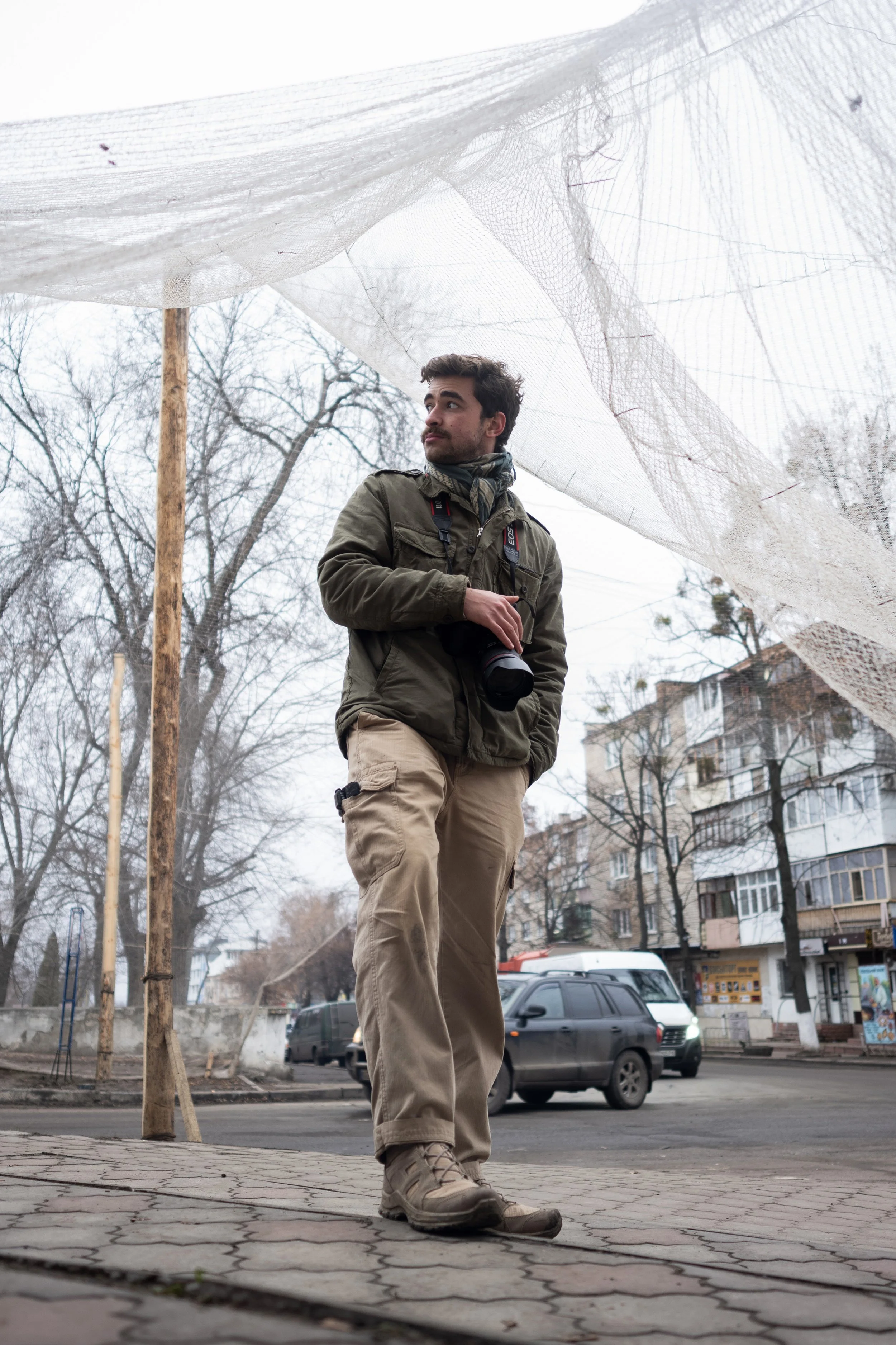
2026 LSI Photography Grant Winner: Louis Lemaire-Sicre
Louis Lemaire-Sicre is a photojournalist working across the former Soviet space, where war, memory, and political rupture continue to reshape ordinary lives. His practice traces the quiet transformations of societies living at the edge of conflict, in places where yesterday’s empires still define tomorrow’s realities. Through long-term documentary work, he focuses on underreported communities navigating the tension between survival and continuity. He is currently living in Kyiv, where he has been based full time since the beginning of 2025.
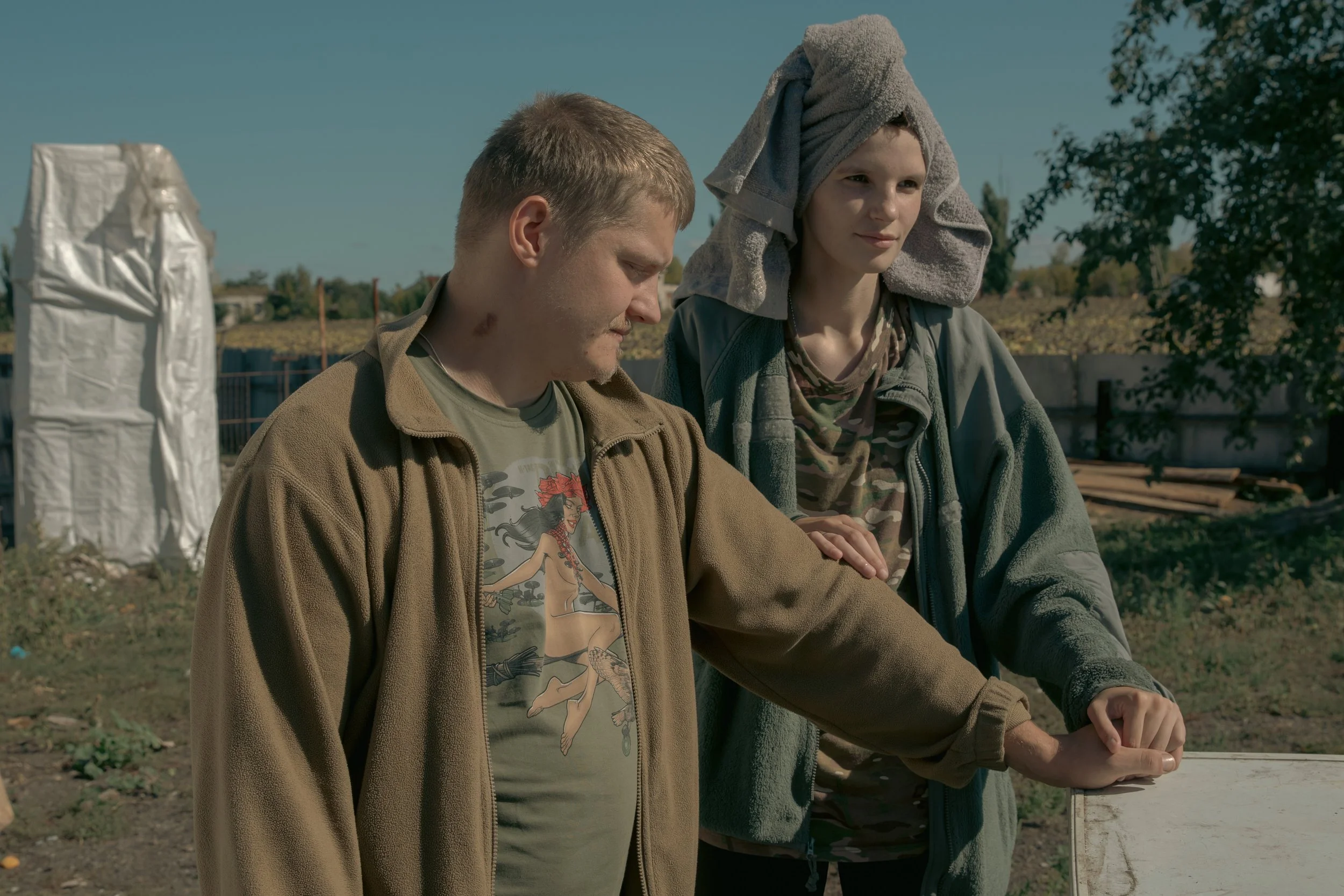
Faultline looks at spaces as inhabited places, and at the people whose lives continue within them.
Project: Faultline
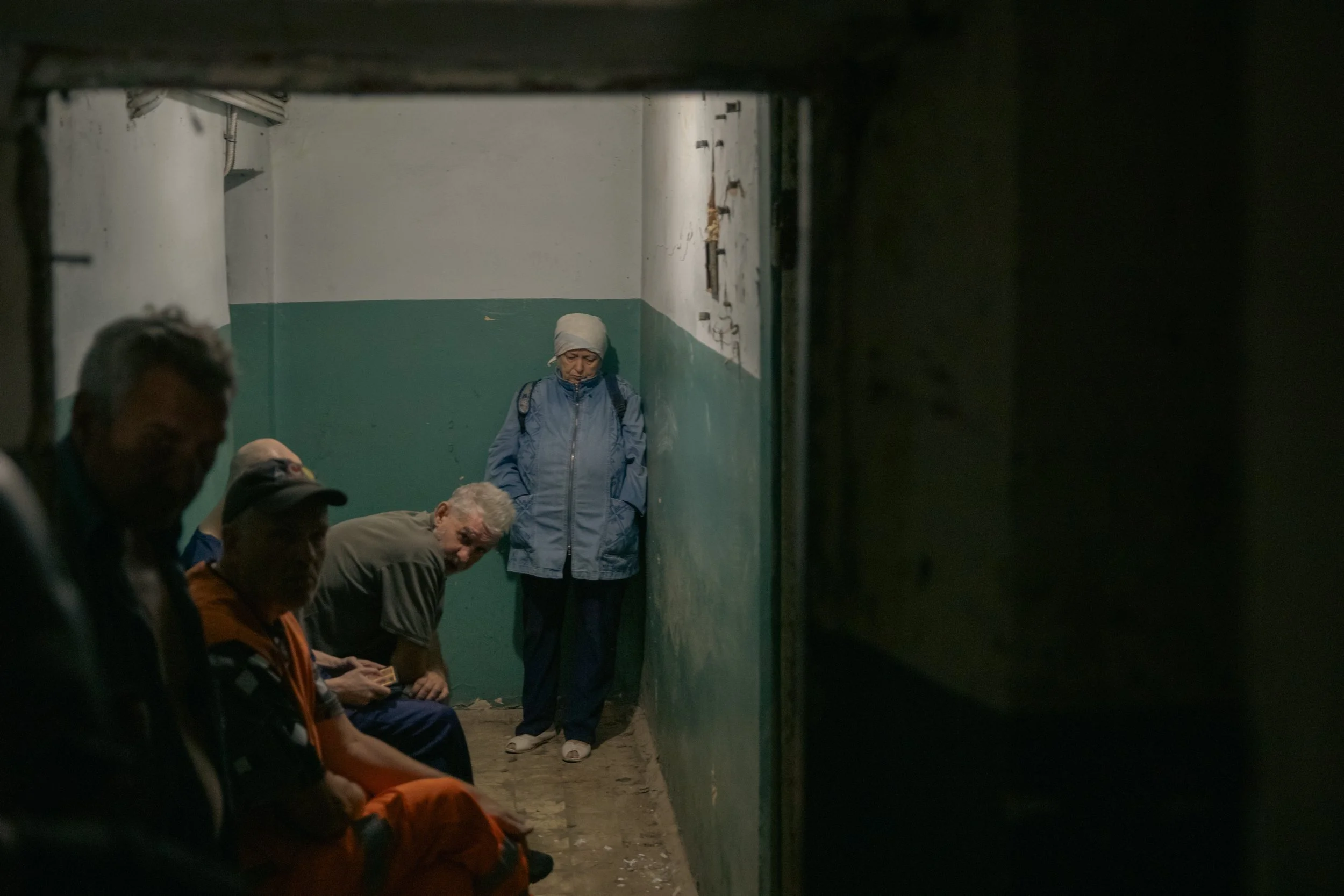
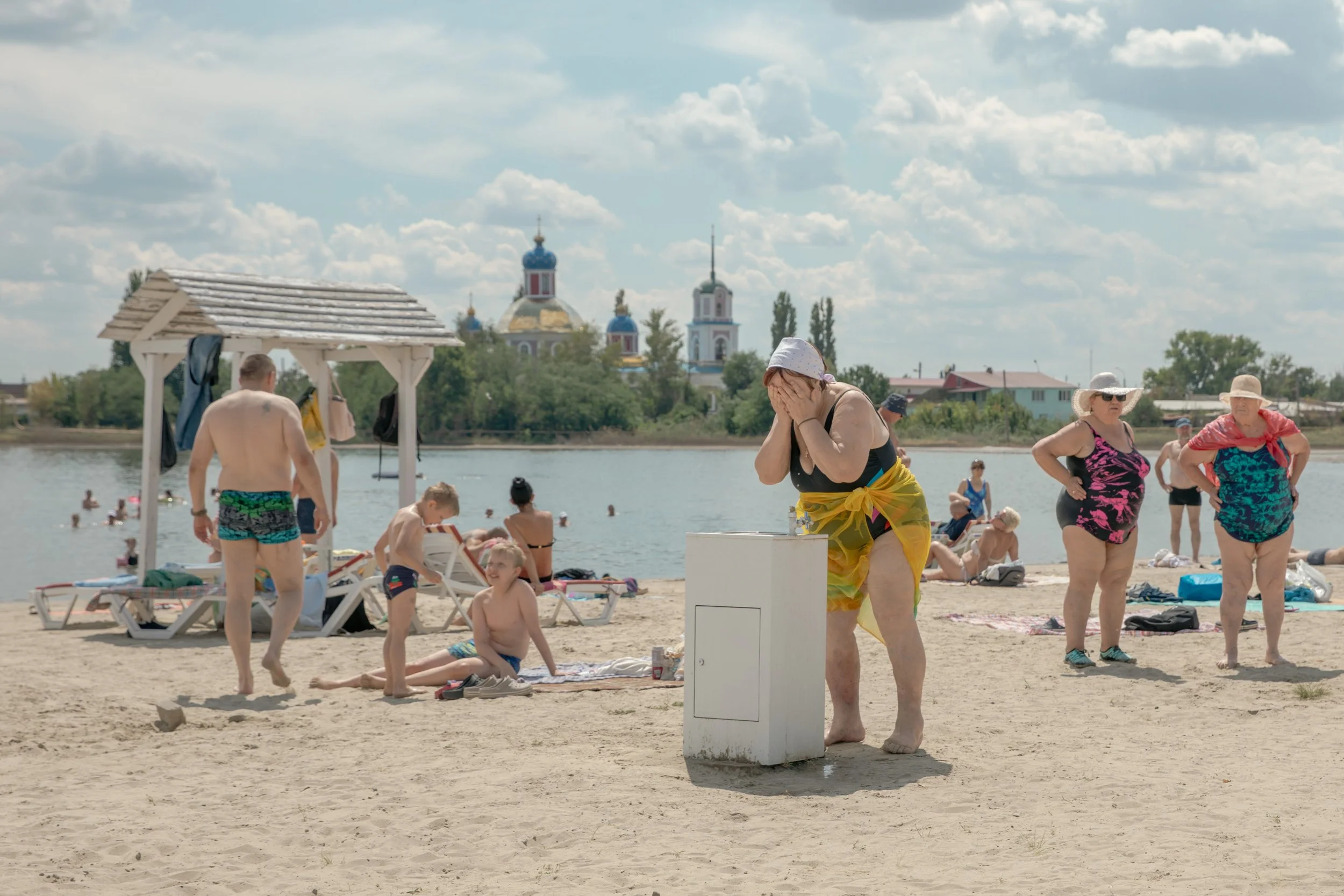
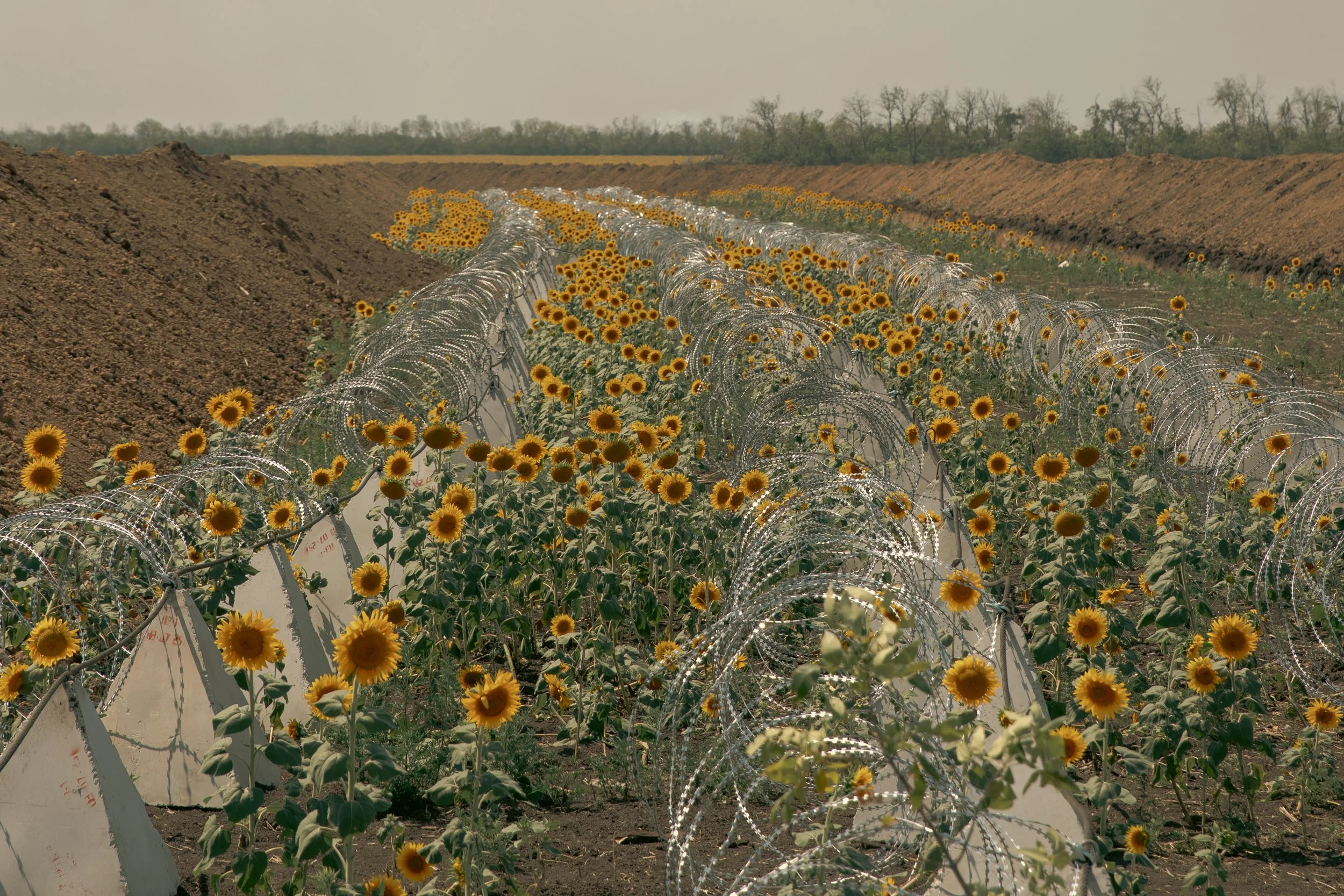
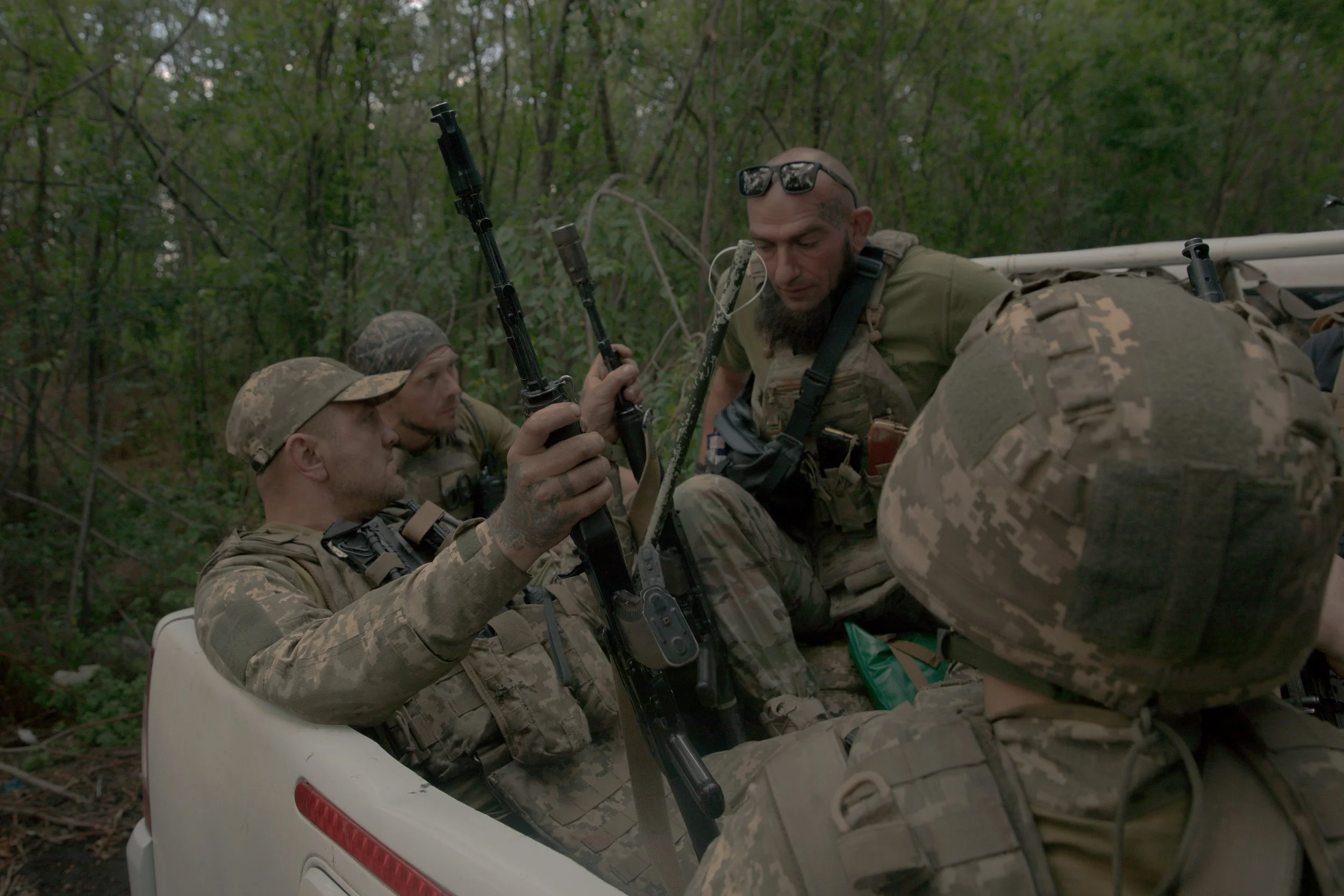
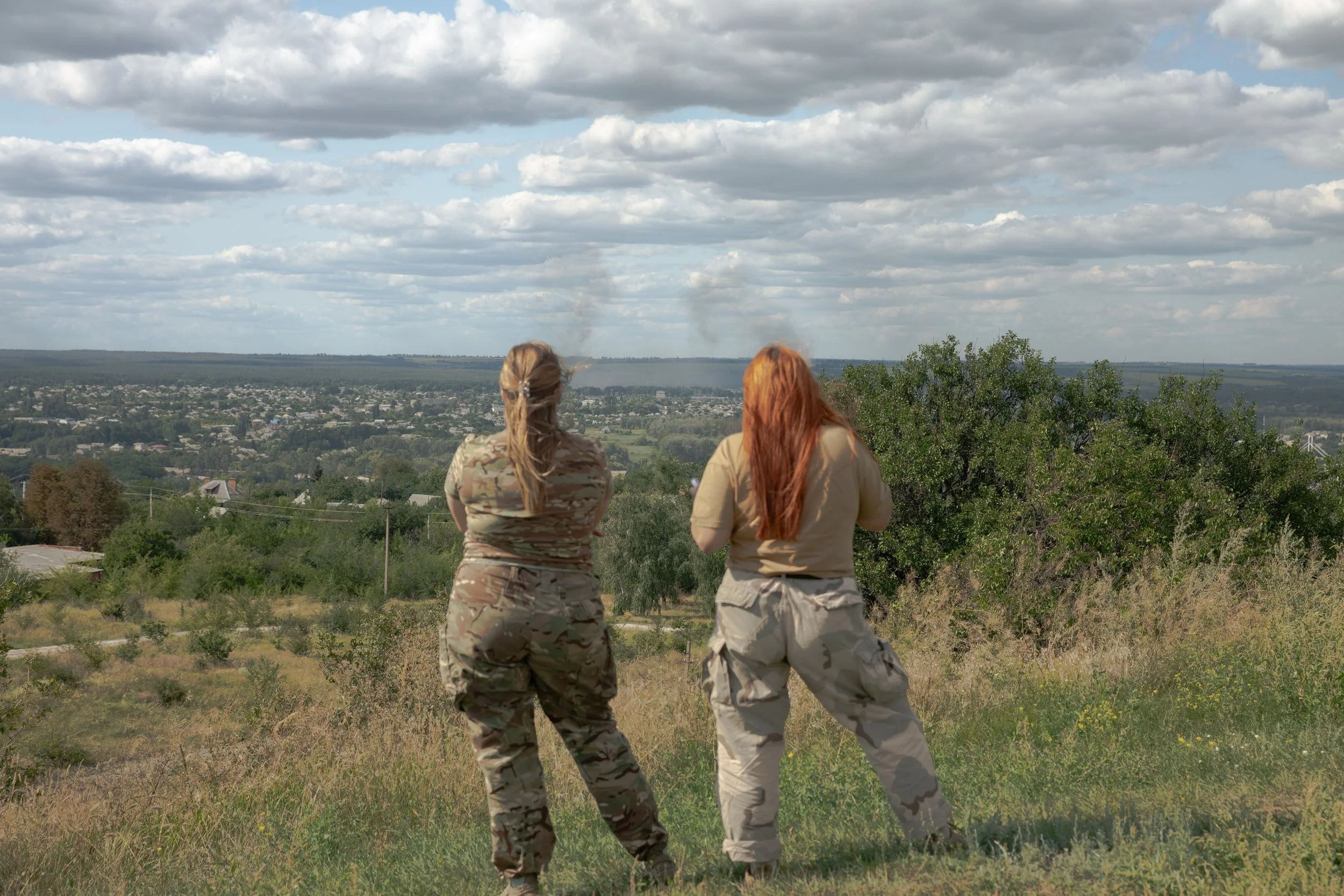
Faultline documents life in the immediate rear of eastern Ukraine, in the grey zone behind the front lines that lies between civilian and military spaces. Although the war in Ukraine is consistently documented, the territories surrounding the front are often reduced to military geography: distances from the line, territorial gains, weapons and strikes.
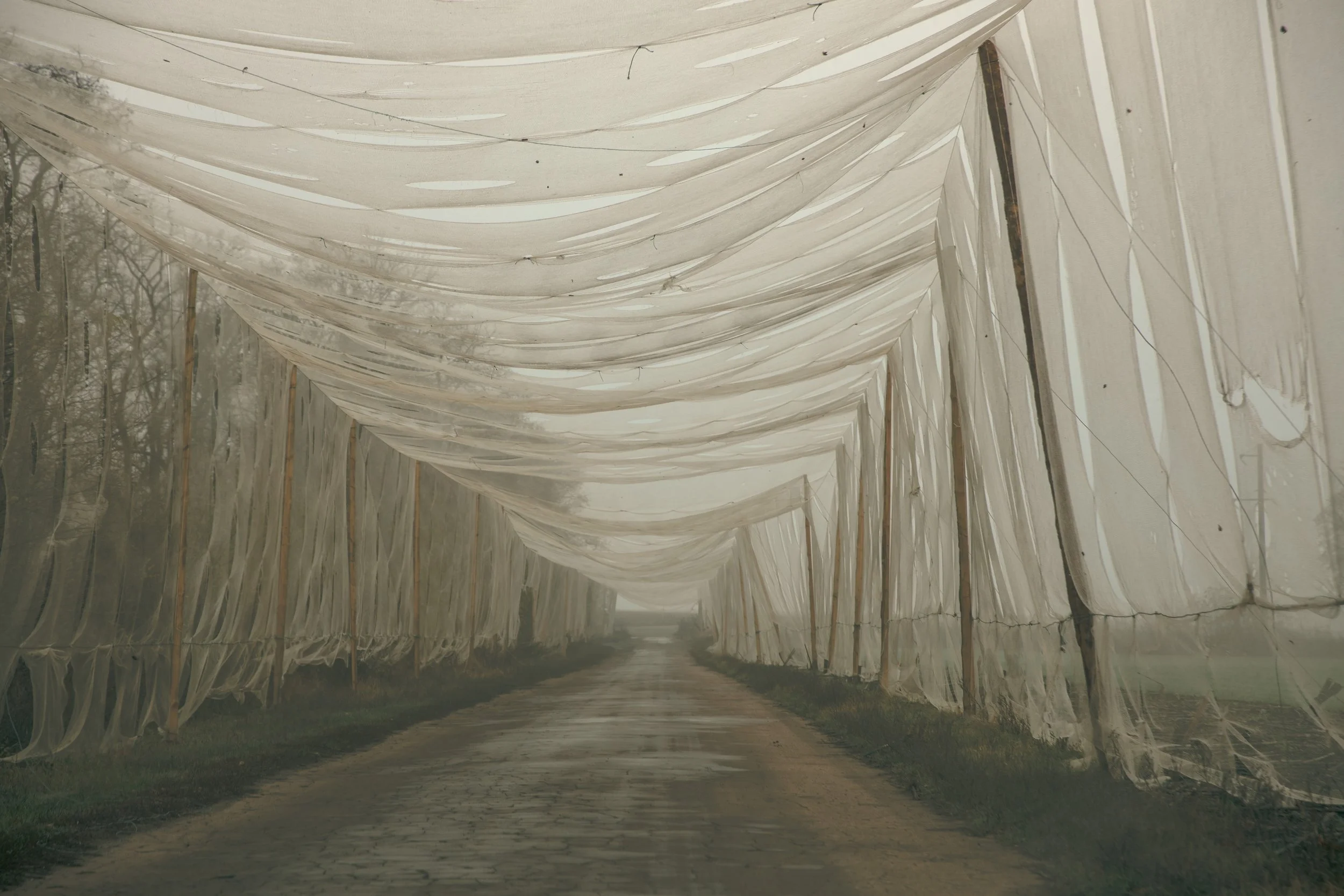
This project looks instead at these spaces as inhabited places, and at the people whose lives continue within them. As the war drags on into its fourth year, danger is no longer confined to combat zones. Pockets of life remain near a front that continues to draw closer, under constant threat from Russian drones and bombs. The project explores how sustained pressure alters the defence of a territory and the way it is inhabited. Technological advances in modern warfare have reshaped the use of space and individuals’ relationship to it, as roads, fields, towns and civilian infrastructure are increasingly absorbed into the architecture of war.
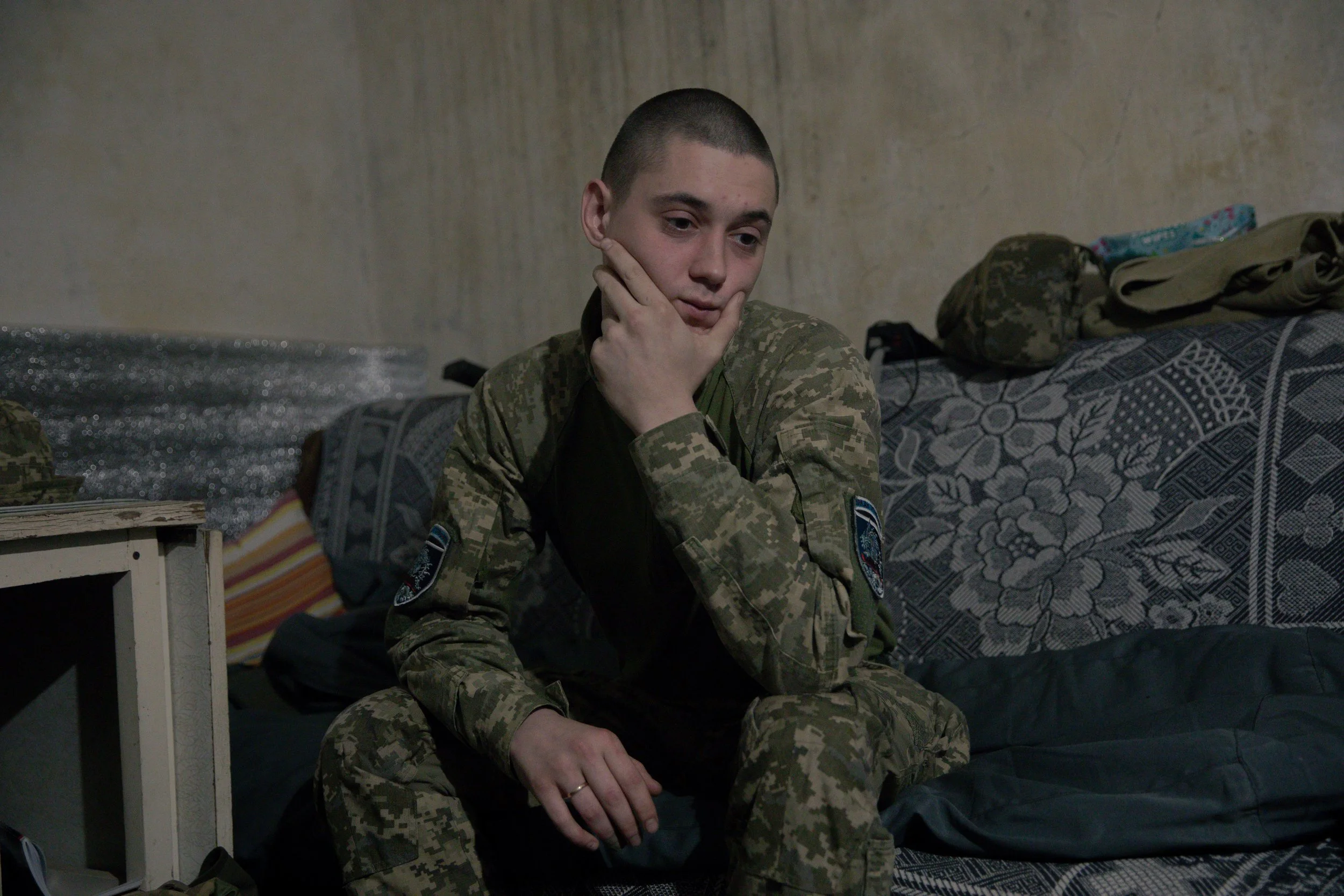
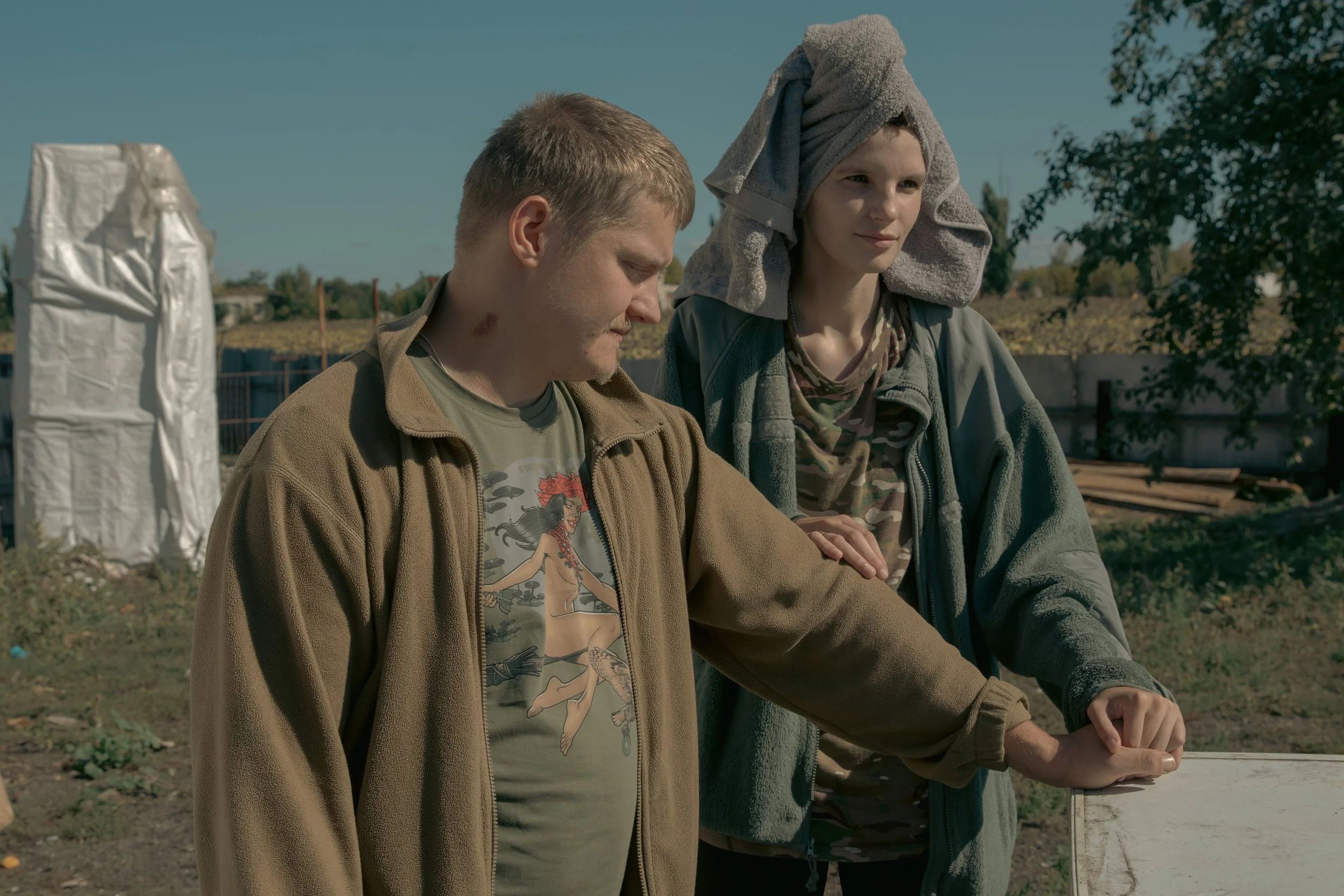
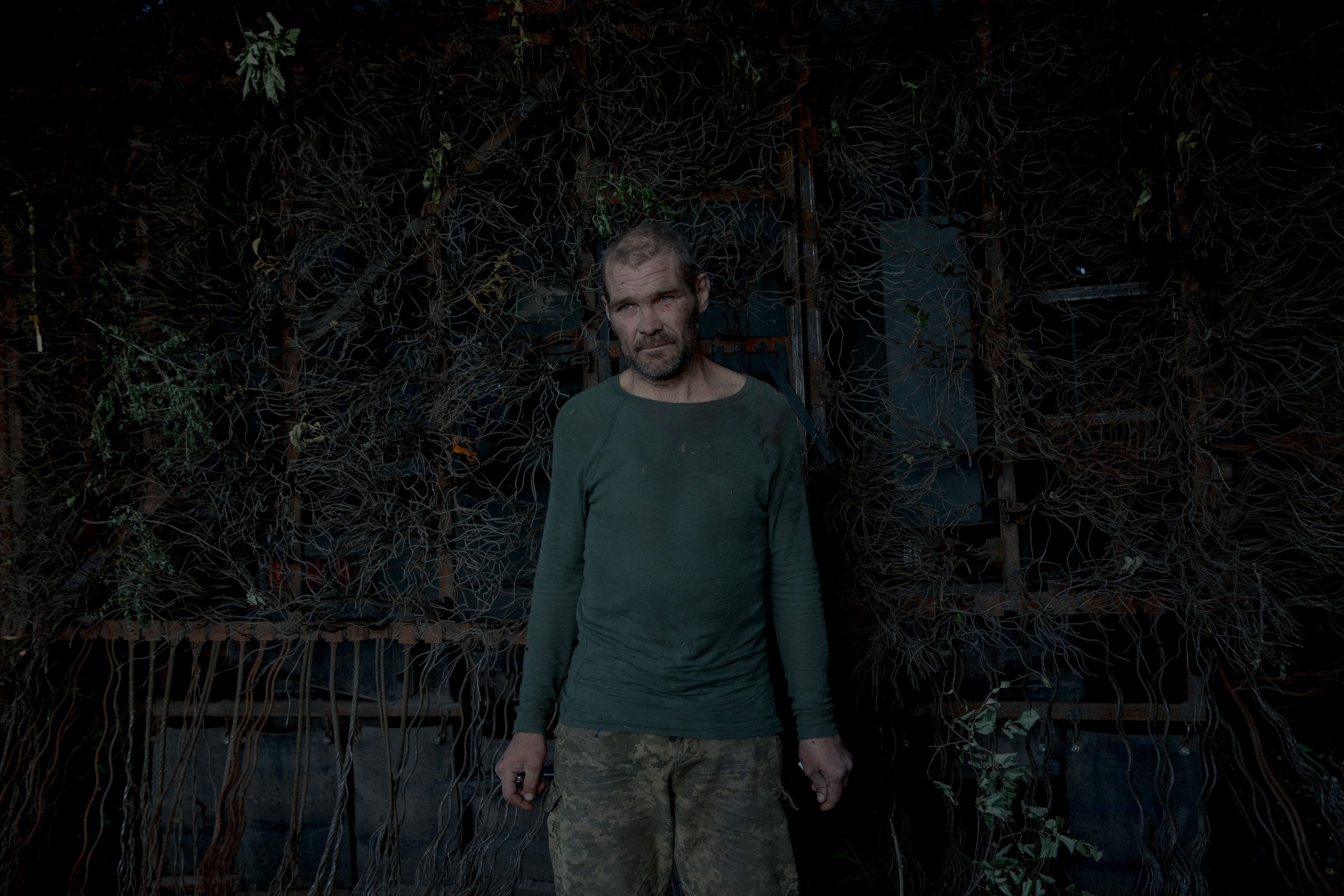
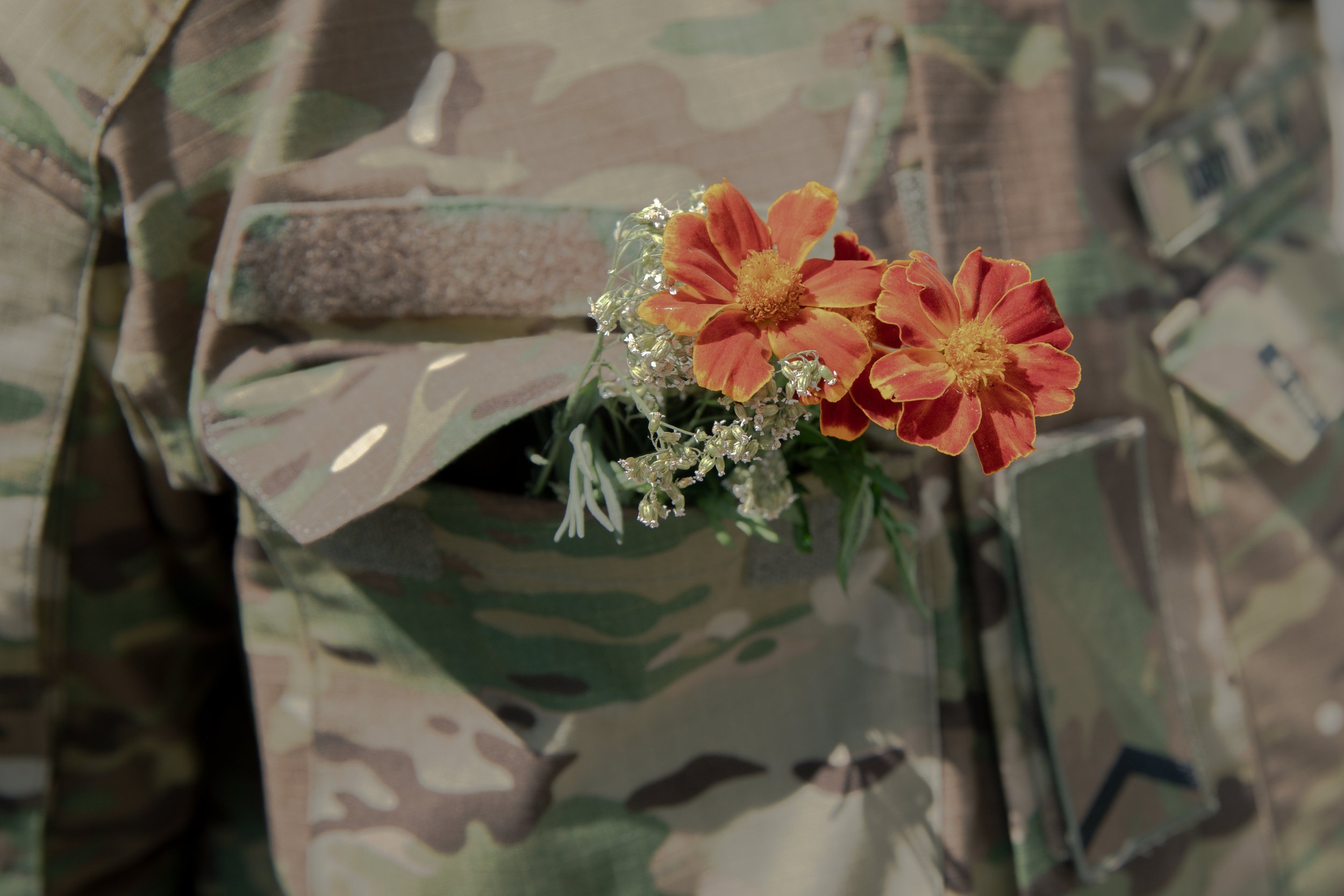
Developed through repeated time spent with soldiers and civilians in these areas, Faultline focuses less on moments of combat than on what exists between them. Remaining present during these quieter periods allows the people photographed to emerge beyond the categories through which war is usually seen, not simply as soldiers, civilians or statistical casualties, but as individuals maintaining relationships, identities and forms of belonging within a landscape being transformed around them.
Image Gallery
2026 LSI Photography Grant Runner-Up: Takeshi Yamamoto
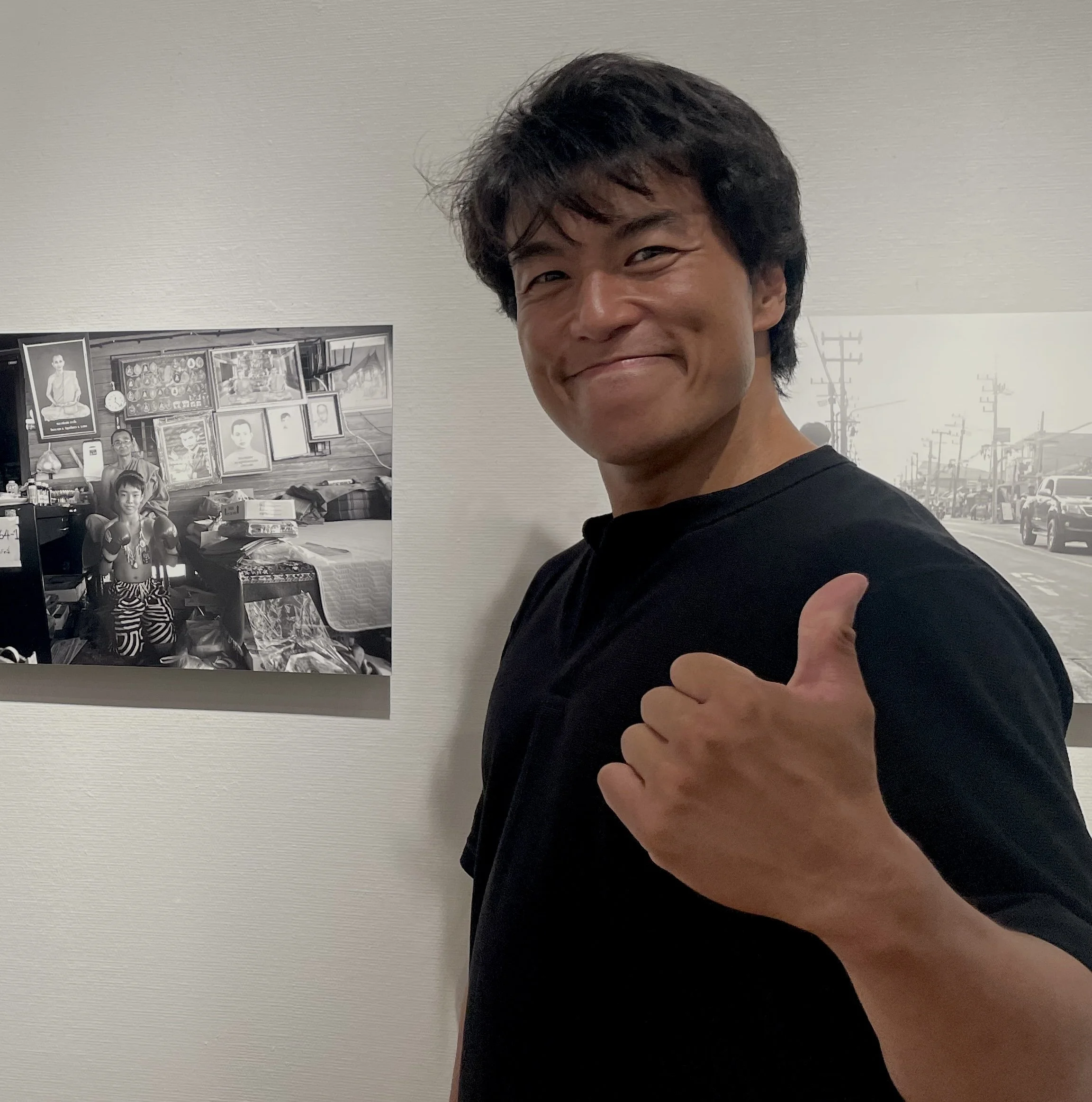
Takeshi Yamamoto is a Japanese documentary photographer whose work examines how people, communities and landscapes are transformed by disaster, social change and the passage of time.
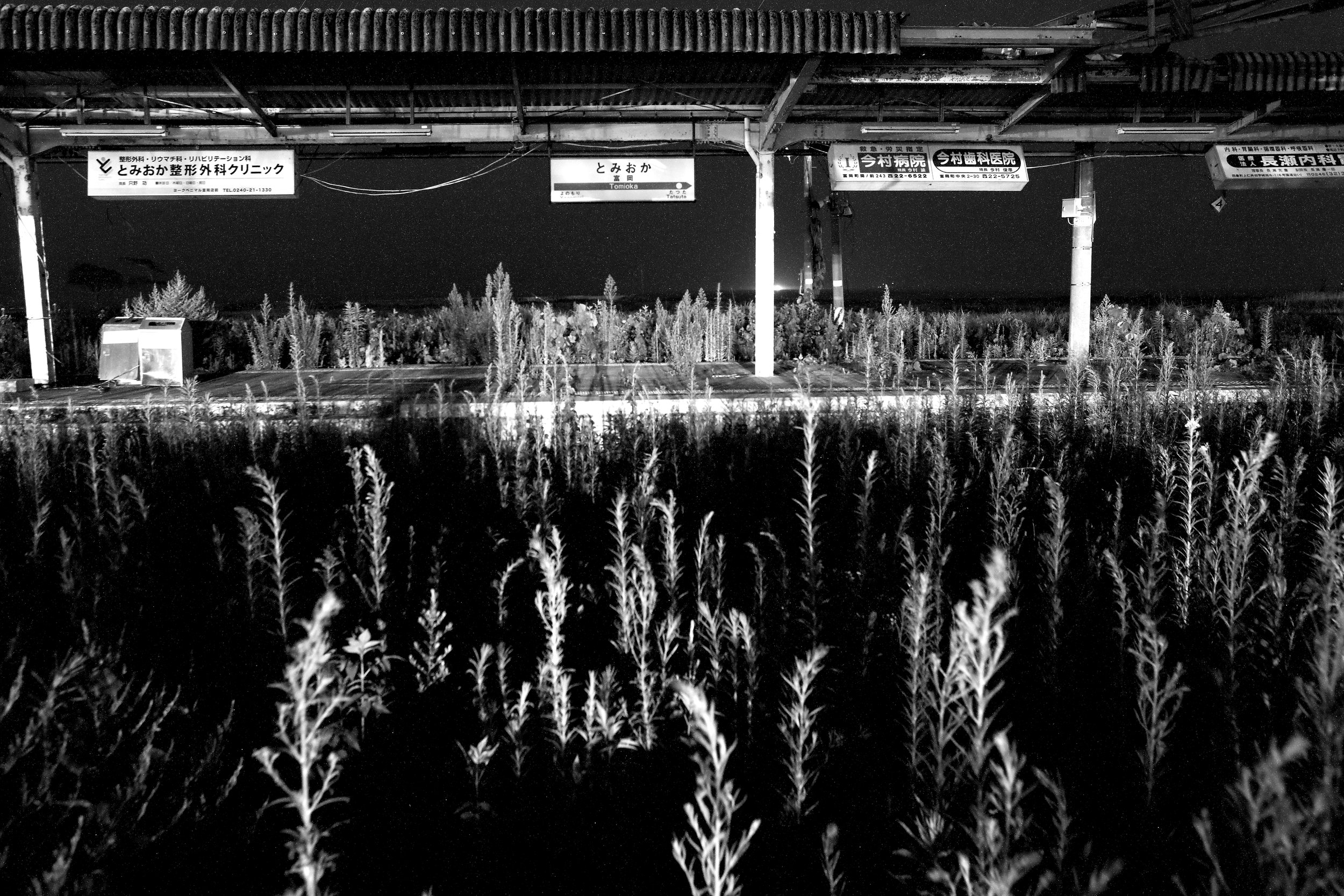
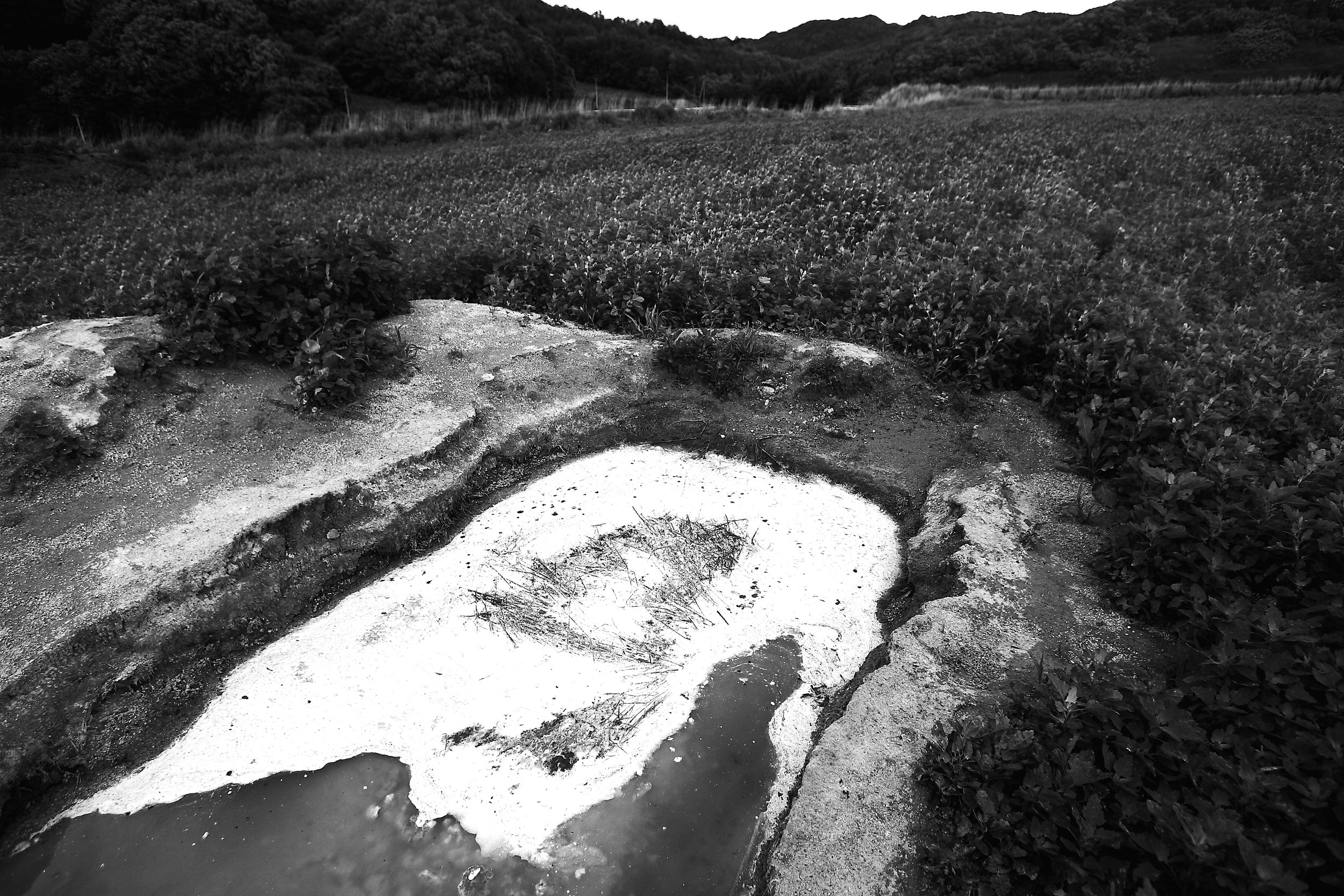
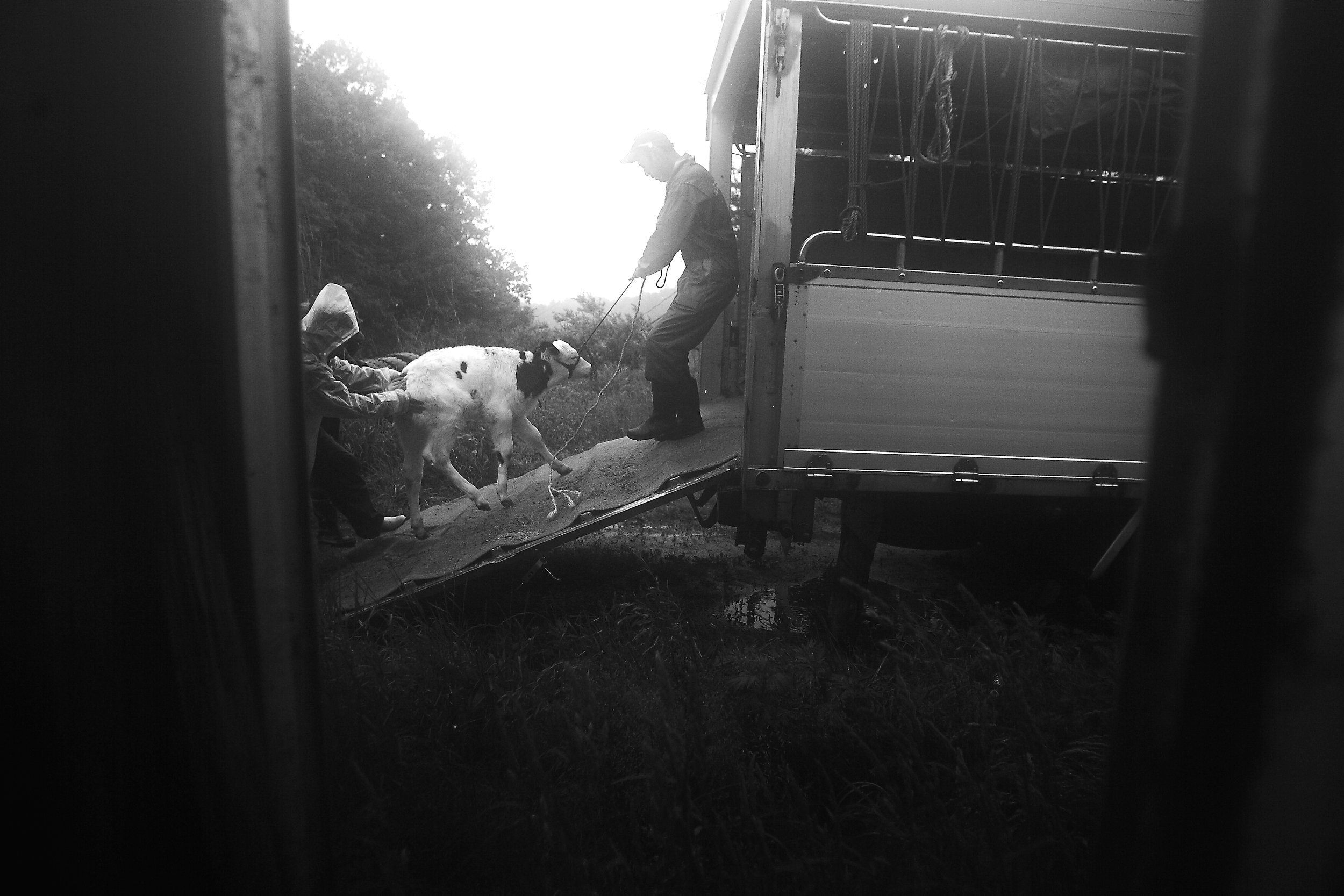
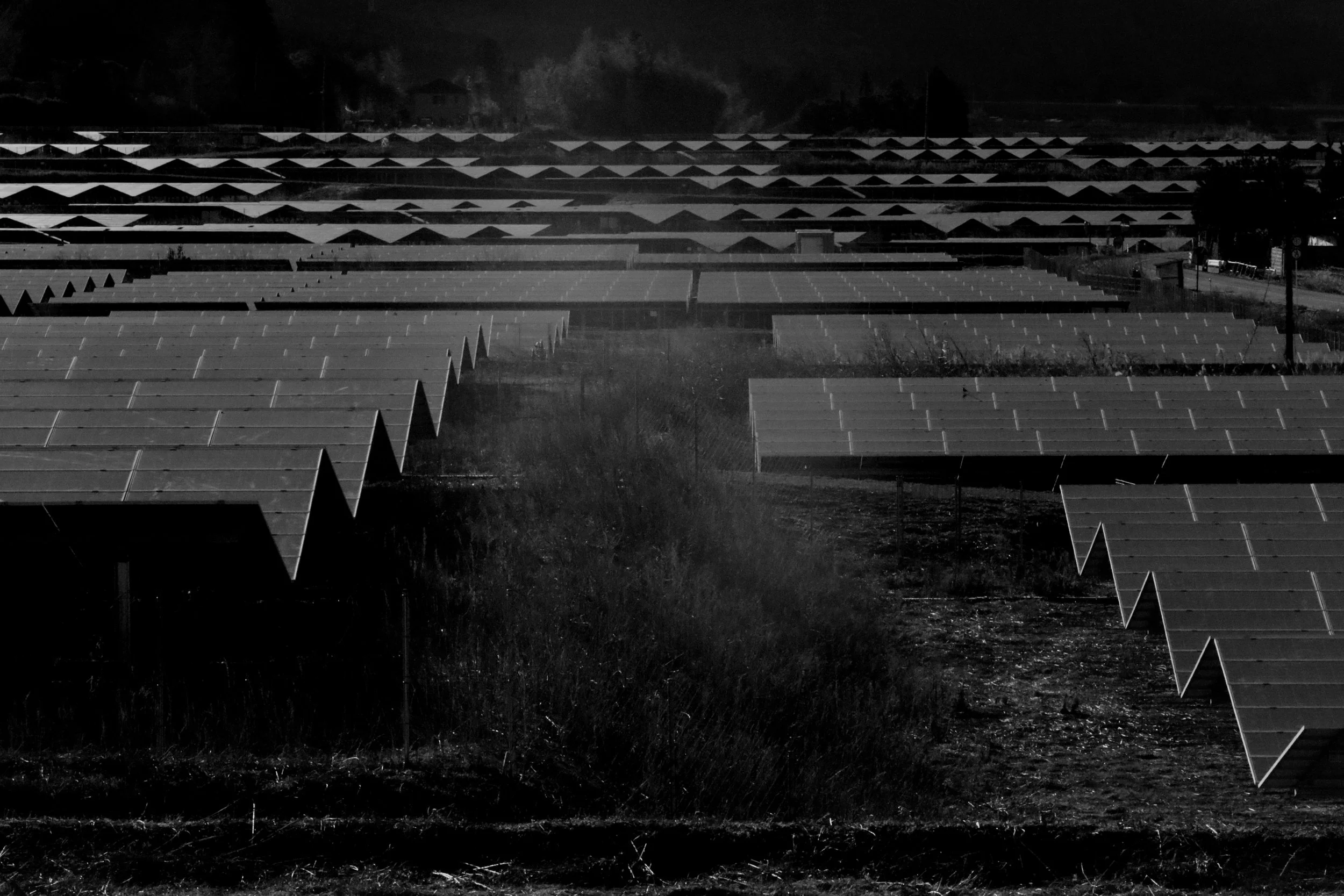
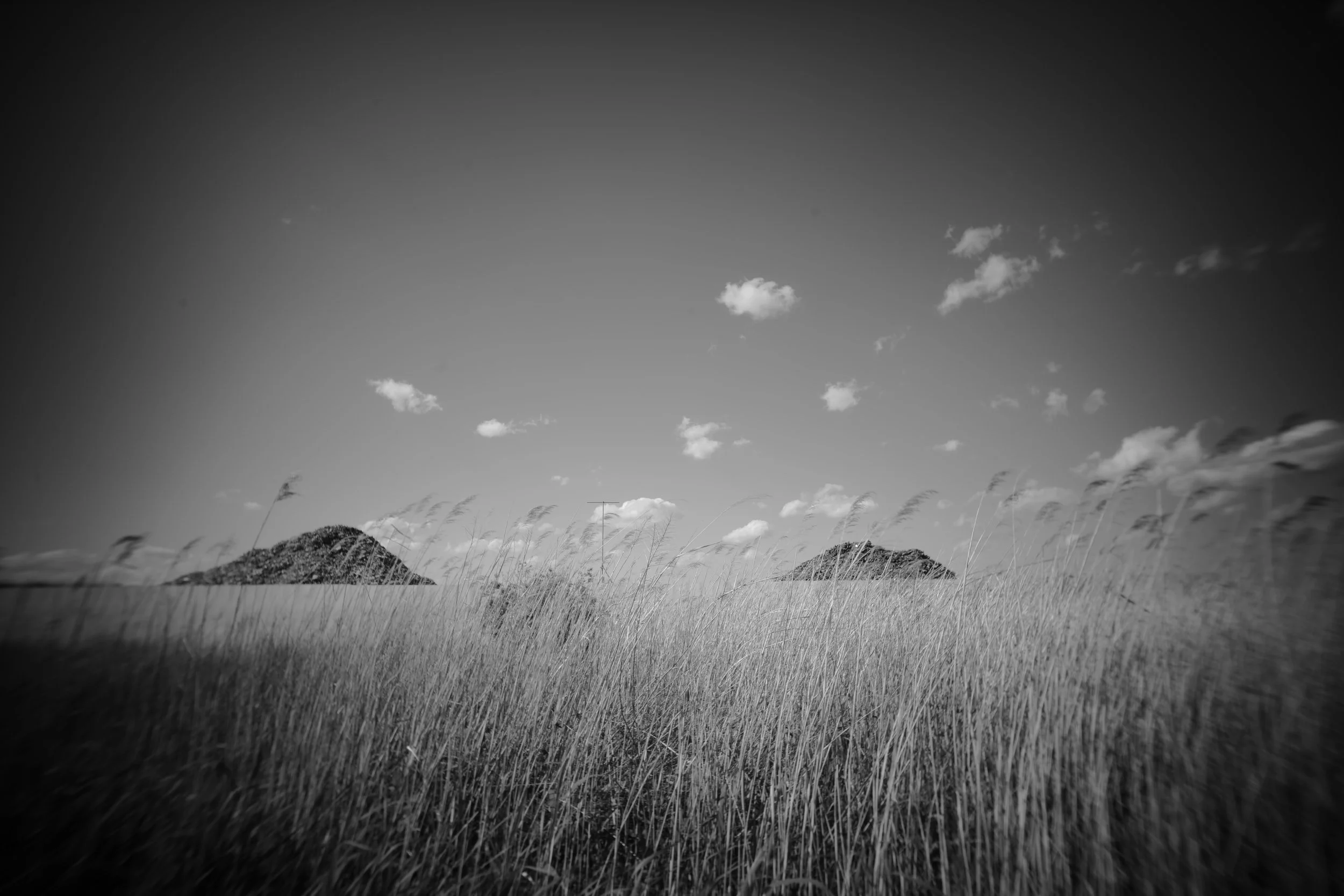
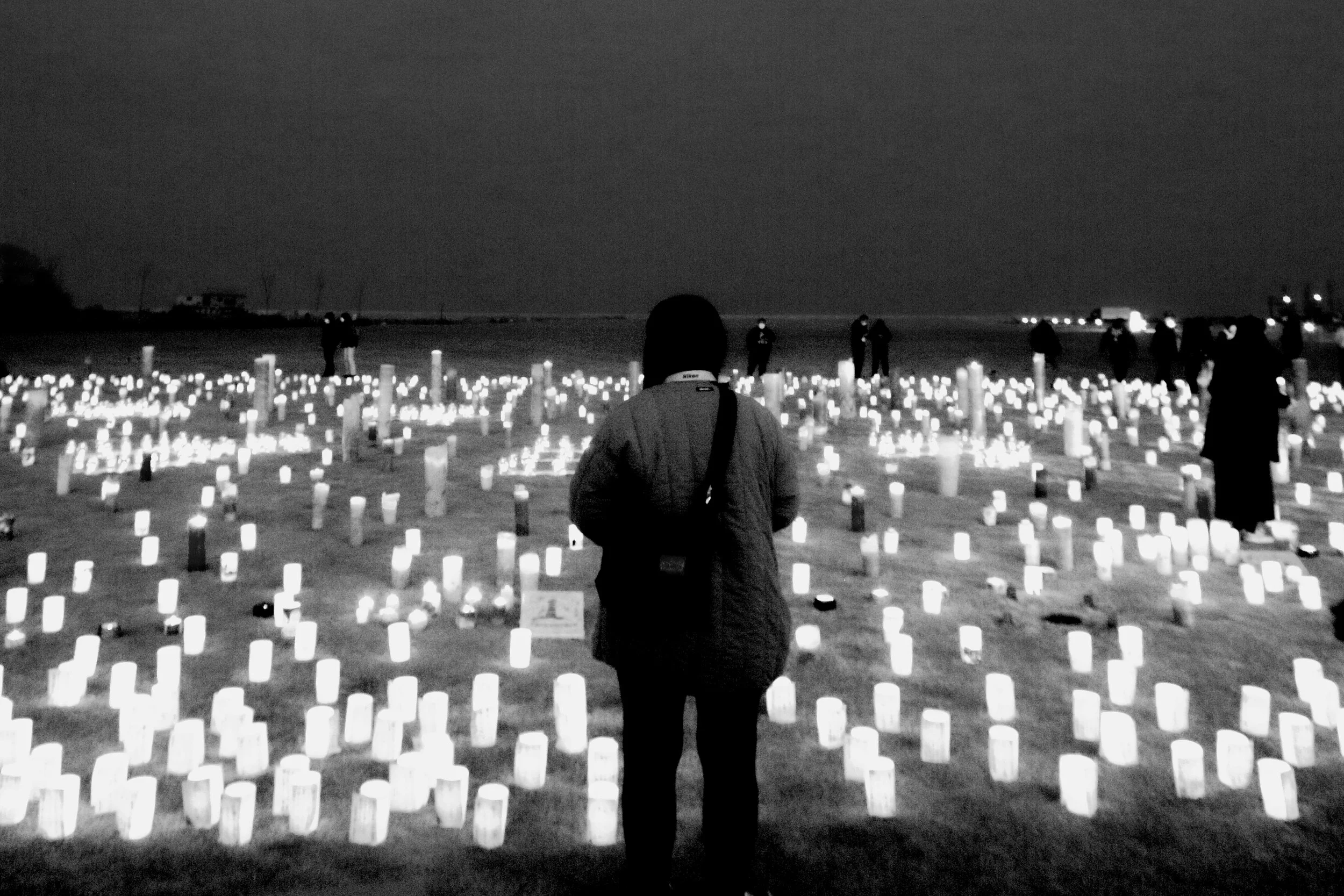
Since 2011, he has documented Fukushima following the earthquake, tsunami, and Fukushima Daiichi nuclear disaster. His long-term project, I AM A Witness: Fukushima 2011-2027, traces the transformation of the region through evacuation, loss, decontamination, reconstruction, memory, and the gradual return of everyday life. Yamamoto received the Yonosuke Natory Photography Award in 2013 and has presented his work internationally through exhibitions and photography festivals across Europe, Asia, the Americas, Africa and Oceania.
Project: I AM A Witness
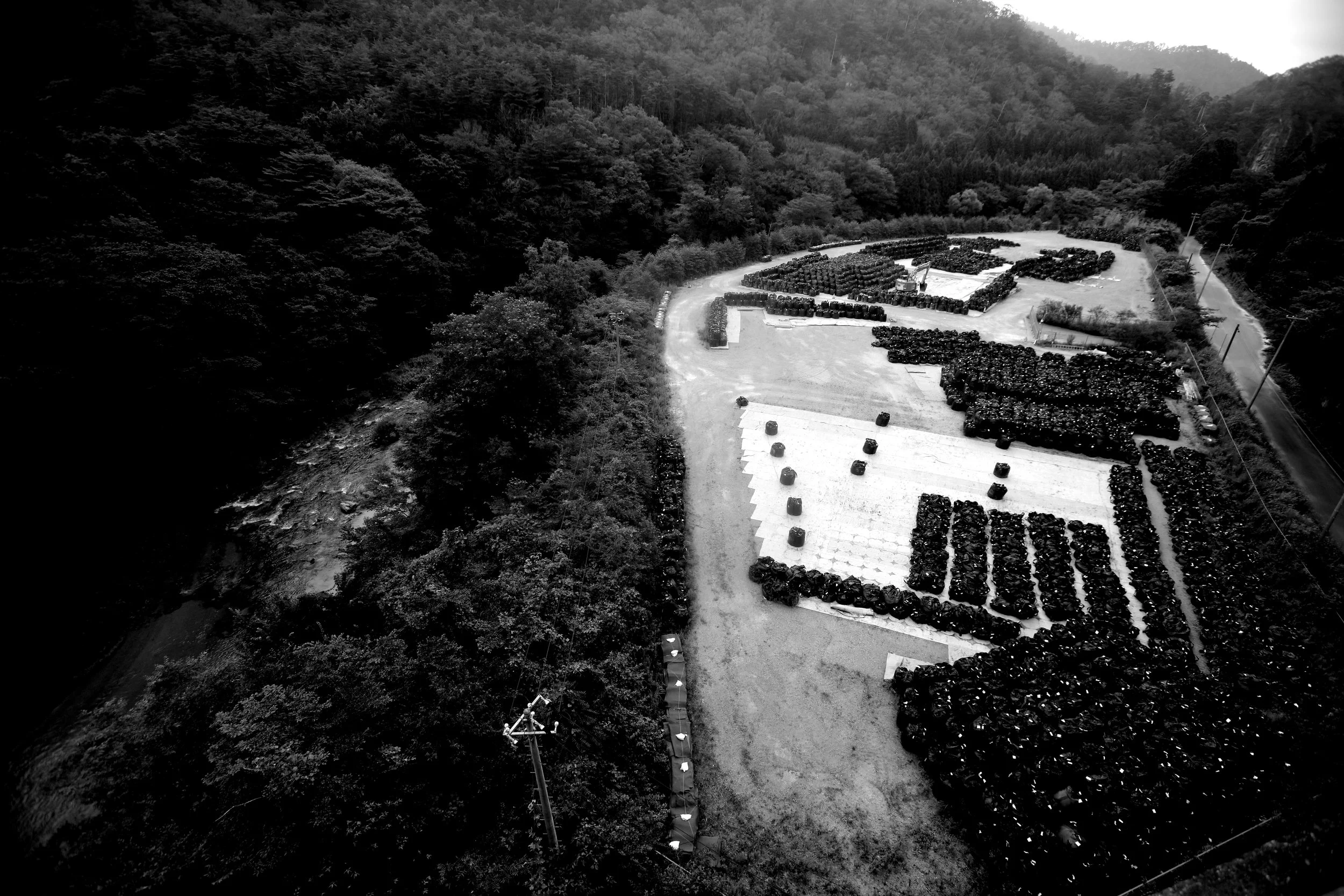
I AM A Witness is an ongoing photographic project begun after the 2011 earthquake, tsunami, and Fukushima Daiichi nuclear disaster. For 15 years, I have photographed affected communities, abandoned places, decontamination, and the slow transformation of the landscape. The next stage will examine a perspective I have previously approached only indirectly: the people and systems responsible for explaining, containing, measuring, and managing the disaster’s long aftermath.
Over the coming year, I will return repeatedly to Fukushima. I will photograph decontamination and decommissioning workers, monitoring infrastructure, temporary storage sites, reconstruction zones, public meetings, and where access is granted, representatives and facilities connected to TEPCO and the wider nuclear industry. I will build access patiently through local contracts, research and repeated visits without reducing workers, residents, or institutions to symbols. My goal is not to excuse responsibility or repeat official narratives, but to make visible the complex structure through which the disaster is still administered and lived.
By bringing this new chapter together with my long-term record of loss, displacement, and environmental change, I hope to create a more complete and ethically balanced witness to Fukushima – one that asks who is seen, who remains unseen, and how responsibility is remembered.
IMAGE GALLERY
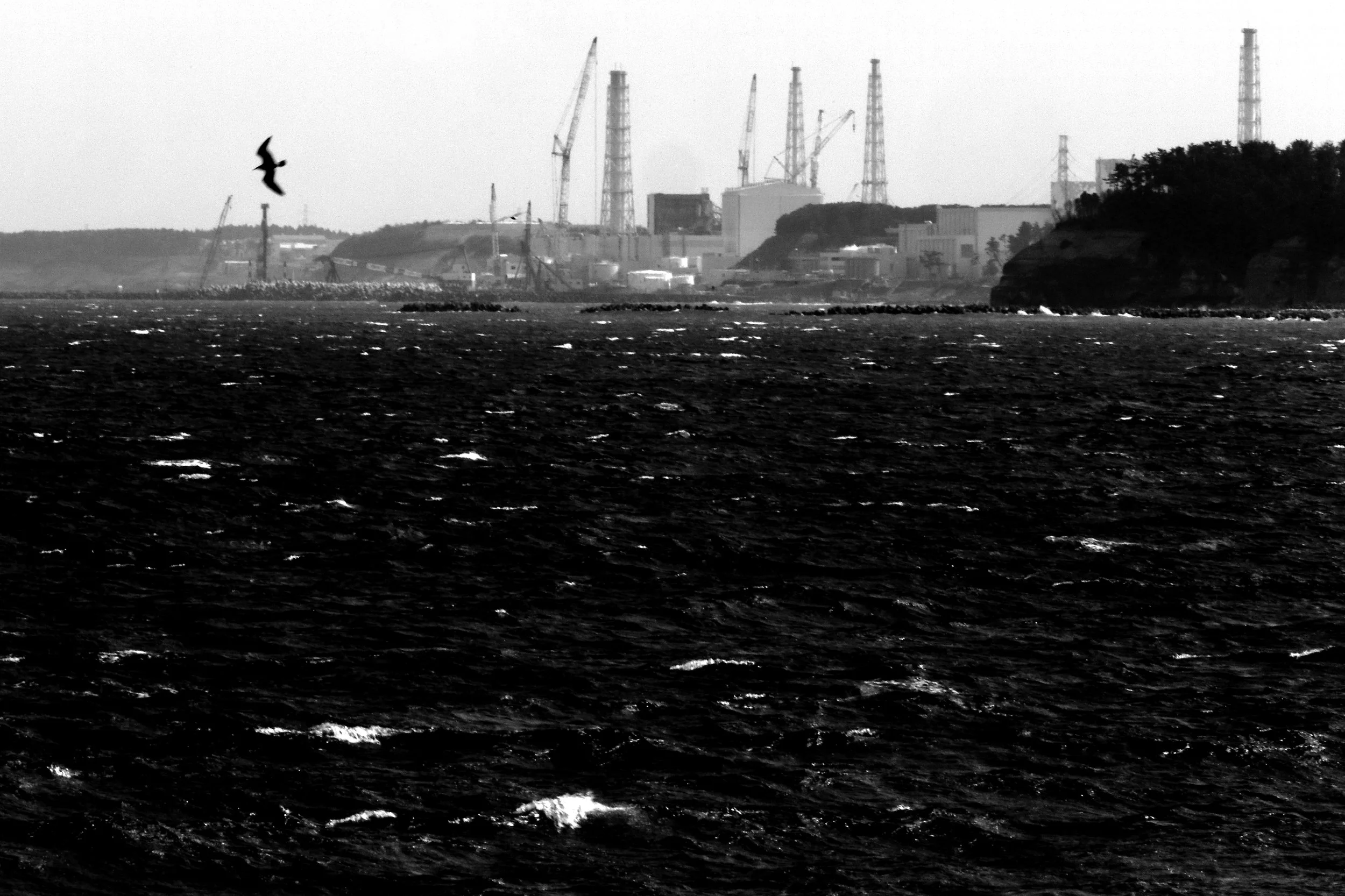
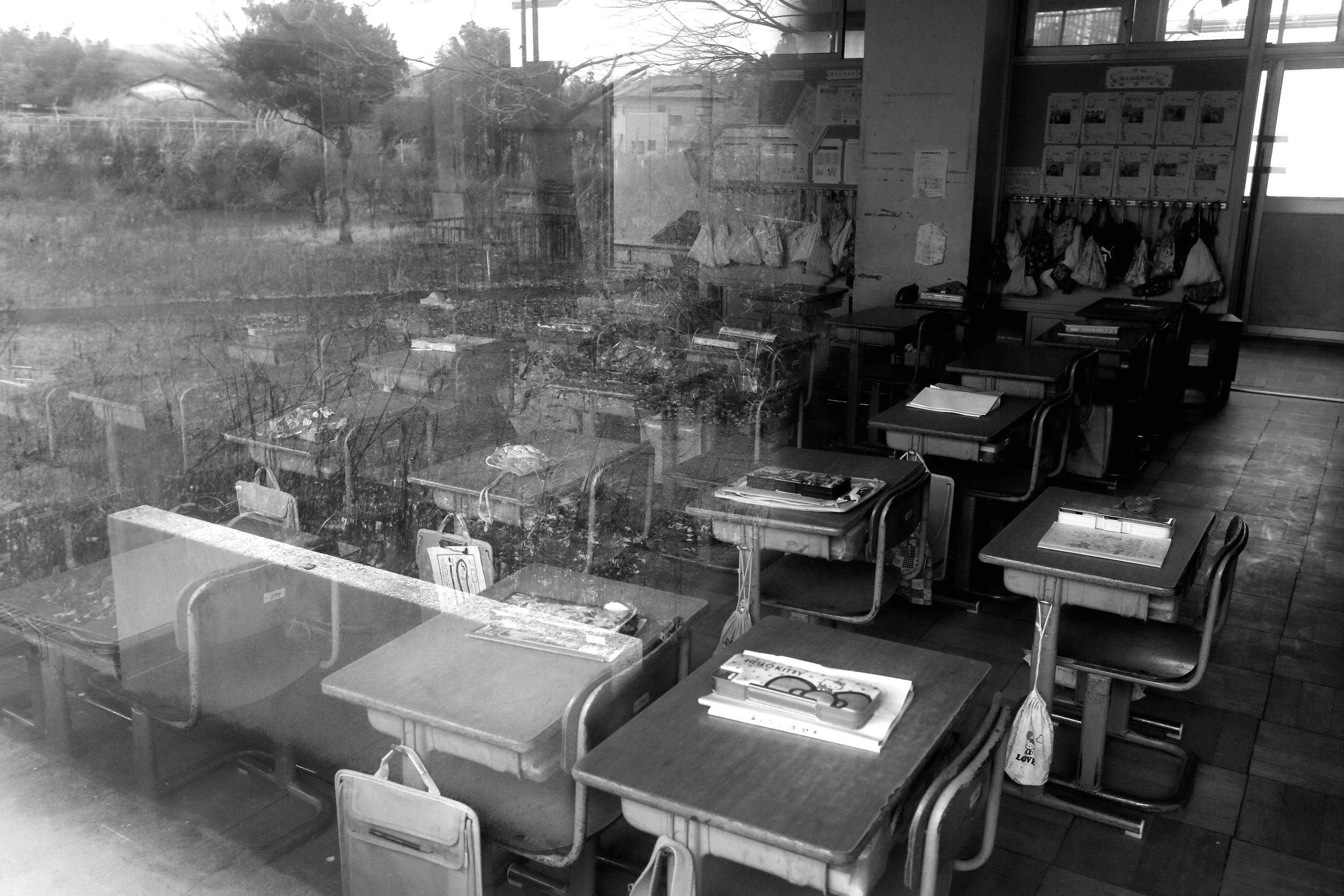
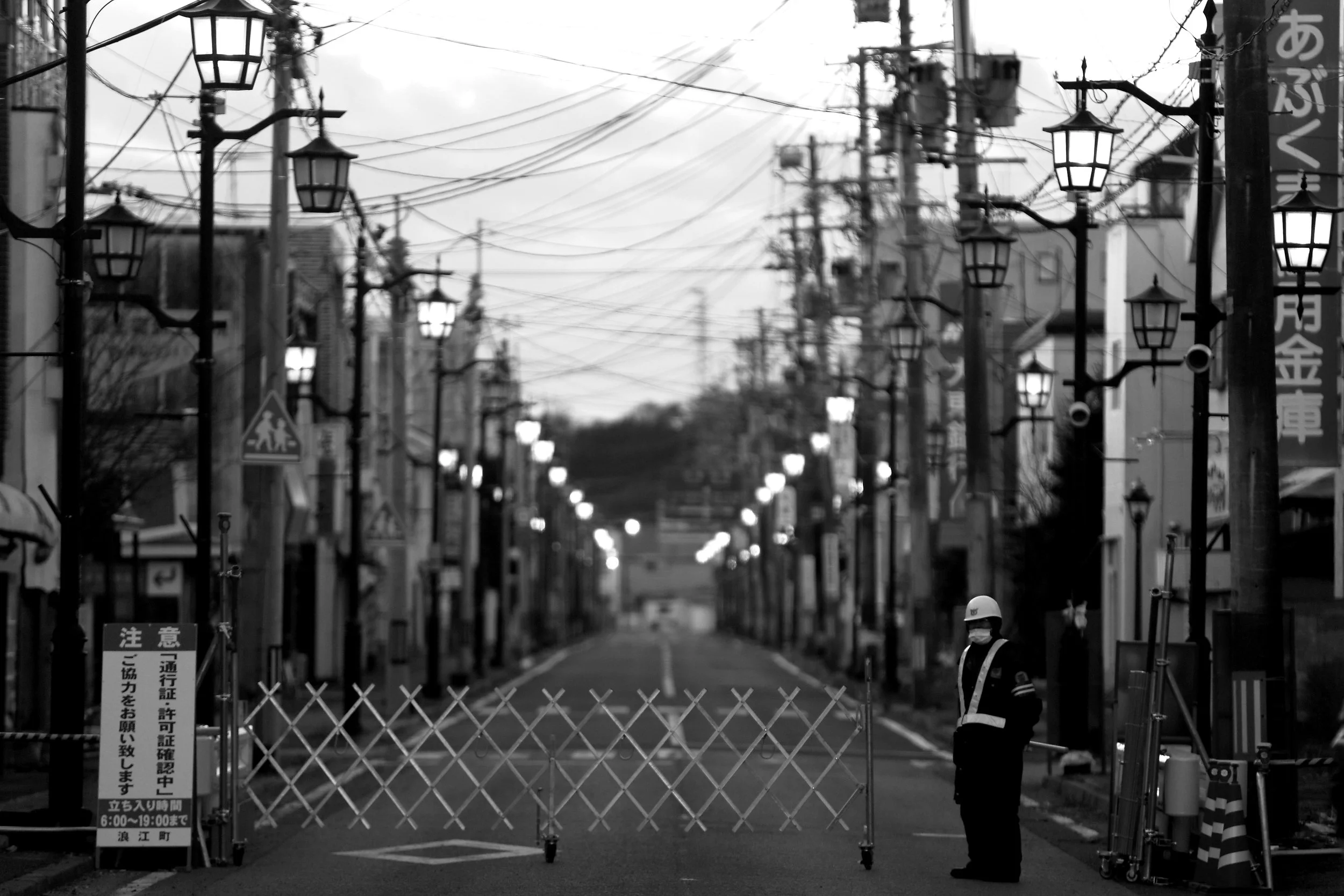
A big LSI thank you to this year’s judges — Sandra Eisert, Trish Lambe, Mary-Irene Marek, Tom Smith and Michael Foley.
